
Basic Forge Welding Techniques Every Smith Should Know

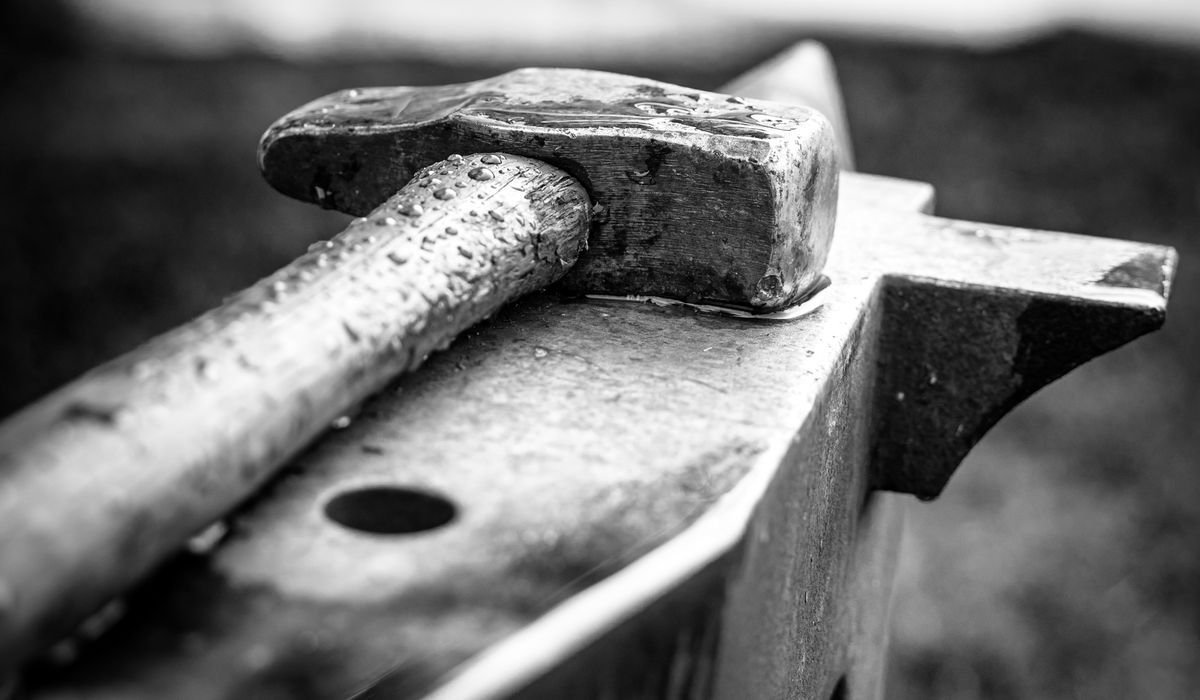
Why Forge Welding Rewards Patience
Forge welding is the oldest way to join two pieces of metal, and it remains one of the most satisfying skills a blacksmith can master. Unlike arc or MIG welding, which rely on electricity and filler rods, forge welding uses heat, pressure, and a clean surface to persuade steel to become one. When it works, the join is nearly invisible and as strong as the parent metal. When it fails, you are left with a spitting, sparking mess and a piece that has to be cut back and tried again. The difference between success and failure usually comes down to three things: temperature, cleanliness, and speed. Get those right, and you can weld everything from a simple lap joint to a complex basket twist. Rush them, and even a straightforward scarf weld will refuse to take.
Getting the Metal Clean and the Heat Right
Before you even think about the fire, prepare your surfaces. Forge welding will not tolerate rust, mill scale, oil, or paint. Grind or file the mating faces down to bright steel, then keep them clean. If you are working with reclaimed metal, be especially thorough: old steel often hides cracks and inclusions that will open up under the hammer. Once the surfaces are bare, you need to bring the steel to the correct temperature. For mild steel, that is typically between 1,200°C and 1,300°C – a bright yellow-orange that borders on white. Watch for the metal beginning to “sweat” or throw tiny sparks. That is your signal that the surface is on the verge of burning, and you need to act immediately. Too cold, and the metal will not fuse; too hot, and you will burn the carbon out of the steel and ruin the weld. A good forge with a deep, clean fire and a steady blast will help you hit that window reliably.
The Art of Scarfing
Scarfing is the technique of tapering the ends of the pieces you intend to weld. A scarf increases the surface area of the join and allows you to overlap the metal so that hammer blows can drive them together. For a basic lap weld, you scarf both ends to a gradual wedge, then bring them together so the tapers overlap. The scarf should be about one and a half to two times the thickness of the metal. Too short, and you will not get enough contact; too long, and the thin tip will burn before the rest of the weld reaches temperature. Practise scarfing on scrap bar until you can produce consistent, symmetrical tapers with a smooth transition. Use the horn of the anvil or a spring fuller to draw out the metal, and keep your hammer blows even. A good scarf is a thing of beauty on its own, and it is the foundation of every successful forge weld.
Flux, Fire, and the Welding Heat
Flux is your friend. It does not create the weld, but it dissolves the oxides that form as the steel heats, keeping the surfaces clean and allowing the metal to fuse. Borax is the traditional choice for mild steel and wrought iron, though proprietary fluxes are available for tricky alloys. Apply flux as soon as the metal reaches a dull red, then return it to the fire. As you bring the steel up to welding heat, the flux will bubble and flow, protecting the surface. When you remove the metal from the fire, you should see a glossy, liquid-looking surface. If you see dark patches or dry spots, add a little more flux and give it another few seconds. Do not let the flux sit on the metal too long without heat, as it can become sticky and hard to manage. Keep your fire clean and free of clinker, and use a gentle blast to avoid burning the steel. The moment you see that glossy sheen, you have a matter of seconds to get to the anvil.
Pressure, Speed, and Hammer Technique
Forge welding demands commitment. Once the metal is at welding heat, you must move fast and hit hard. Carry the pieces from fire to anvil in one smooth motion, and bring them together with a firm, quick tap to set the weld. Then follow with rapid, controlled hammer blows along the length of the scarf. Do not pussyfoot around – light taps will let the metal cool before the weld takes. Use the flat face of your hammer and aim to drive the metal together, working from the centre of the weld outwards. If you are welding a large piece, you may need a helper or a pair of tongs to hold the other end. For heavier sections, a striker with a sledgehammer can be invaluable. Remember that the weld is only as good as your first few blows. If you lose the heat, stop, reflux, and start again. Trying to force a cold weld will only create a weak, messy joint.
Practice Projects and Common Pitfalls
Start simple. A basic lap weld on two pieces of 10mm square bar is a perfect first exercise. Once you can do that reliably, try a butt weld, where you scarf the ends and hammer them together without overlap. Then move on to a faggot weld, where you bundle several pieces together and weld them into a solid billet. Common pitfalls include: using dirty metal, letting the steel get too cold before you strike, using too little flux, and hitting too softly. Another frequent mistake is overheating – if you see sparks flying off the metal in the fire, it is already burning. If a weld fails, do not despair. Cut it off, grind back to clean steel, and try again. Every smith has a pile of failed welds; the trick is to learn from each one. Practise your scarfing and temperature control until they become second nature. Then, and only then, tackle complex assemblies like a twisted basket or a welded chain. With patience and a good fire, forge welding will become one of the most versatile tools in your workshop.

Joeby Ragpa
This template is so awesome. I didn’t expect so many features inside. E-commerce pages are very useful, you can launch your online store in few seconds. I will rate 5 stars.
ReplyAlexander Samokhin
This template is so awesome. I didn’t expect so many features inside. E-commerce pages are very useful, you can launch your online store in few seconds. I will rate 5 stars.
ReplyChris Root
This template is so awesome. I didn’t expect so many features inside. E-commerce pages are very useful, you can launch your online store in few seconds. I will rate 5 stars.
Reply