
Building a Brake Drum Forge on a Budget

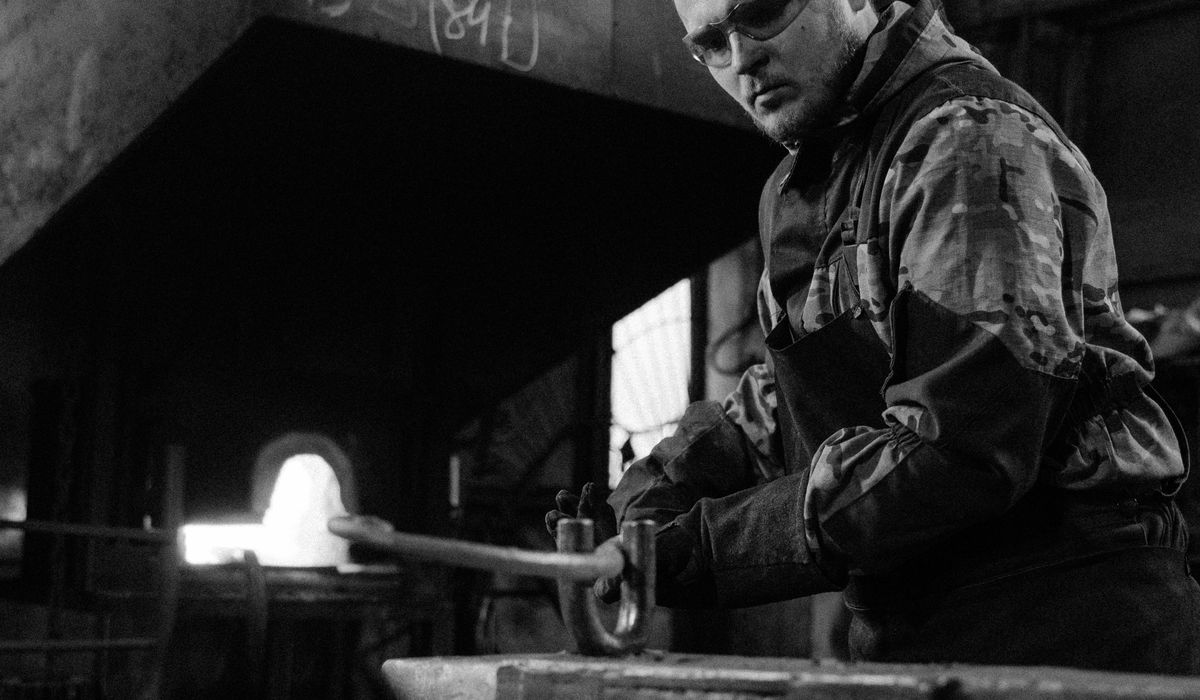
Why a brake drum makes a fine firepot
Ask at an independent garage or a scrapyard and you'll find brake drums stacked like cheap cast-iron bowls. They're heavy, they shrug off heat, and they already have the shallow dished shape that suits a small forge fire. A drum from a car or light van is usually 230mm to 280mm across — plenty for blades, hooks, tongs, scrollwork and most of what a hobby smith actually makes. The build costs little more than a bag of fireclay and a length of black iron pipe.
It won't rival a commercial firepot, but for a workshop that fires up once a fortnight it's genuinely good. Here's how to build one that works and doesn't set your shed alight.
Sourcing and cleaning the drum
Go for depth over width: a drum 100mm or more deep holds a decent fuel bed without spilling. Reject anything cracked, deeply scored or with a warped rim, and avoid drums with bonded brake shoes still riveted on if you can.
Cleaning is the step people rush, and it carries a real hazard. Brake dust contains things you don't want in your lungs, so:
- Wear a P3 respirator, nitrile gloves and eye protection before touching the inside.
- Scrub the bore with degreaser and a stiff brush, then wash it thoroughly.
- Knock out wheel studs and drift out the bearing races with a pin punch.
- Wire-brush inside and out, and check the base for thin spots or corrosion.
Cutting the tuyere and air inlet
The tuyere is the pipe that feeds air to the fire, and its position decides how well the forge runs. Cut a hole in the drum's side to take 25mm to 40mm black iron pipe, with its centre sitting roughly 25mm to 40mm above the inside base. That leaves a well below the blast where ash and clinker collect instead of choking the fire.
Angle the pipe horizontally or very slightly downwards. Inside, cap the end or fit a plate drilled with a scatter of 6mm holes — that's your grate, and it stops coal dropping into the pipe. Outside, leave enough pipe to clamp a hose onto. A short T-piece with a screw cap makes clearing blockages far easier.
While you're cutting, consider an ash dump: a 40mm hole in the base closed with a bolt and washer, or a small plate held by a single bolt. Being able to drop ash without raking out a live fire is a small luxury worth having.
Lining the firepot
Bare cast iron survives a forge fire, but a clay lining insulates the drum, protects it from thermal shock and narrows the fire into the shallow "duck's nest" that burns coal efficiently. Mix two parts fine sand to one part fireclay by volume, adding water until it's a stiff putty. Bentonite clay or unscented cat litter works if fireclay is hard to find, or use a commercial refractory castable if you'd rather not experiment.
Press the lining in 25mm to 40mm thick, keeping the tuyere clear, and shape a bowl around 120mm to 150mm across that slopes up to the rim. Smooth it with a wet hand or a spoon. Then be patient: air-dry it for several days out of the frost and cure it with a series of small, gentle fires. Damp lining fired hard will spall and crack, sometimes dramatically.
Mounting, air supply and safety
Set the drum into a steel table top, a wooden bench with a steel plate around the opening, or a stand built from an old gas bottle. Work at around 750mm to 900mm height and keep the underside open so you can reach the air pipe and ash dump. Sit the whole thing on a steel plate or a bed of sand — concrete can spall under sustained heat.
For air, almost anything moving decent volume at low pressure will do. A hairdryer is the classic budget option, an old vacuum cleaner is louder and more powerful, and a bouncy castle blower is quieter than both. Fit a gate valve or hinged flap so you can control the blast rather than just switching it on and off, and join it up with washing machine hose or aluminium duct and metal clips.
A few rules that aren't negotiable:
- Never put galvanised, plated or painted steel in the fire — zinc fumes cause metal fume fever, and it comes on fast.
- Work outdoors or with the doors wide open, with a bucket of water and a bucket of dry sand within reach.
- Wear leather gloves, eye protection and natural fibres; synthetics melt onto skin.
- Keep fuel dry and store coal away from the house.
First fire and tuning
Start with a handful of fuel, light it from the top and give it gentle air. The hot spot should form just above the tuyere, glowing yellow-white and about the size of a grapefruit. If the fire spreads across the whole drum, the lining is too thin or you're giving it too much air. If it struggles to catch or dies back, clinker or ash is probably blocking the grate — poke it clear with a rod.
Make a rake and a poker from 8mm mild steel before you start forging; you'll use them constantly. Expect a few sessions of fiddling before the forge behaves, and don't be shy about adding clay or drilling extra grate holes. Once dialled in, a brake drum forge will run happily for hours on a couple of kilos of coal.

Joeby Ragpa
This template is so awesome. I didn’t expect so many features inside. E-commerce pages are very useful, you can launch your online store in few seconds. I will rate 5 stars.
ReplyAlexander Samokhin
This template is so awesome. I didn’t expect so many features inside. E-commerce pages are very useful, you can launch your online store in few seconds. I will rate 5 stars.
ReplyChris Root
This template is so awesome. I didn’t expect so many features inside. E-commerce pages are very useful, you can launch your online store in few seconds. I will rate 5 stars.
Reply