
Setting Up a Small Garden Forge Safely at Home

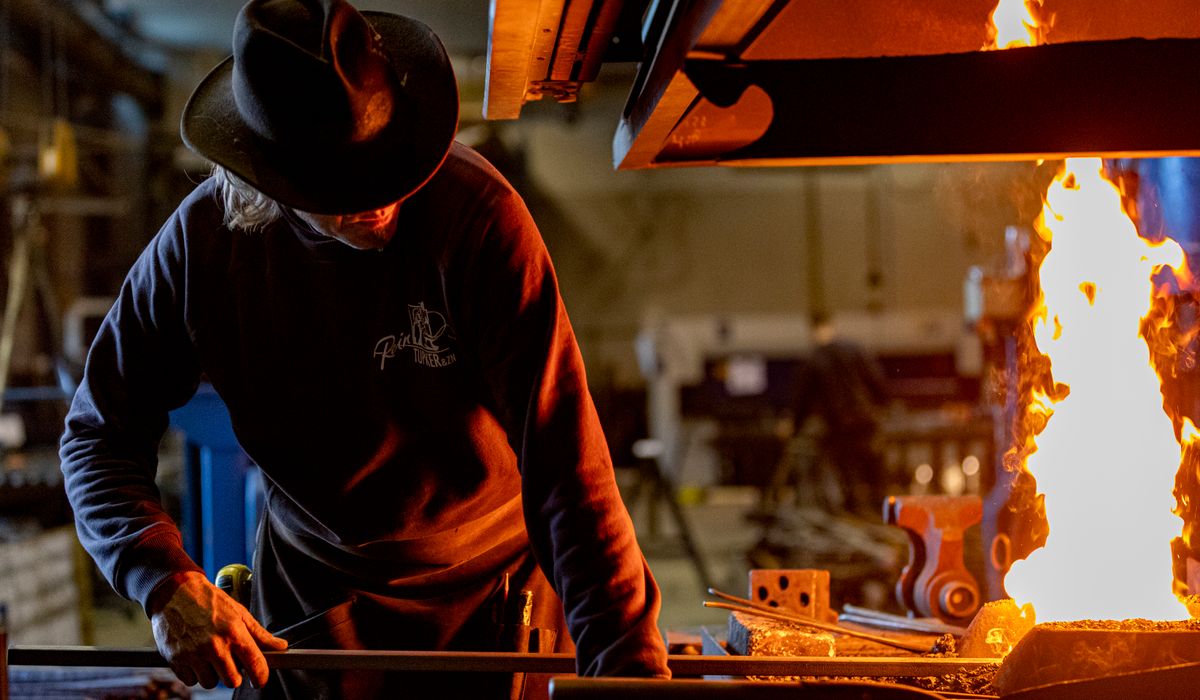
A garden forge is one of the most rewarding things you can build for yourself. A few square metres of firm ground, a solid anvil stump and a well-behaved fire are enough to make hooks, tongs, bottle openers and simple ironwork. But a forge is also an open fire on a domestic property, and the planning you do before the first match is struck matters far more than the tools you buy. Get the space right and you will work comfortably for years.
Choose the Site Before You Buy the Anvil
Walk your garden at different times of day and in different weather before deciding anything. You are looking for a spot that is level, well drained and at least four metres from the house, shed, garage and boundary fence, and further still from anything obviously combustible such as a hedge, a woodpile, a gas bottle store or a wheelie bin. Sparks travel further than you expect, and hot scale bounces unpredictably.
Avoid sitting directly under trees or a pergola, even in summer. Overhanging branches dry out, and a roof of any kind will trap smoke and combustion gases around your head. A south-facing wall can be useful as a windbreak, but keep the fire well clear of it and never site a forge inside a garage, conservatory or any enclosed structure — carbon monoxide from a solid-fuel fire can build up even in a space that feels airy.
Check who can see and smell the site. A forge near a neighbouring kitchen window or washing line will cause friction long before it causes any real danger.
Air, Smoke and Ventilation Outdoors
Working outdoors solves most ventilation problems, but only if you let the air move. Do not tuck the forge into a tight corner between a fence and a shed, where smoke will eddy and linger at breathing height. Leave at least one full side open, and preferably two.
A windbreak placed about a metre and a half upwind, roughly chest height, steadies the fire and keeps sparks out of your face without starving the fire of air. Slatted fencing, a sheet of steel or a hurdle all work well. On gusty days, consider turning the forge so the firepot opening faces away from the prevailing wind.
Pay attention to where the smoke goes. A coke or charcoal fire produces very little visible smoke once it is up to heat, but the lighting-up phase is the smoky part. Keep sessions short, and avoid still, damp evenings when smoke hangs at ground level.
Fire Safety: What Must Be Within Reach
Assume that at some point something will smoulder. Your kit should be positioned so you never have to turn your back on the fire to fetch it.
- A dry powder extinguisher rated for solid fuels, mounted where you can grab it in two steps.
- A bucket of water and, separately, a bucket of dry sand — sand smothers a fuel spill or a small ground fire that water would spread.
- A garden hose that reaches the forge, ideally on an outdoor tap with an isolator.
- Leather apron, gauntlets and safety glasses, plus ear defenders when you are hammering.
- A fire blanket near the quench area for clothing and oil incidents.
Mark out a hot zone of at least three metres around the forge with paving, rope or a line of stones and keep it clear of children, pets and visitors. Work on gravel, sand, bare earth or a steel plate rather than dry grass, and never on wet concrete, which can spall and throw fragments when heated.
The Working Triangle
Efficiency and safety come from short, predictable movement. Set the anvil roughly 1.5 to 2 metres from the forge — close enough to carry hot steel in two strides, far enough that you are not standing in radiant heat.
Place the vice and the quench bucket within arm's reach of the anvil, and keep your tongs and hammers on a rack you can find by touch. Sweep up scale regularly; it is slippery underfoot and it hides hot embers. If you run an electric blower, use an outdoor socket protected by an RCD, route the cable away from the fire and keep a battery or hand-crank blower as a backup.
Fuel, Gas and Storage
Store solid fuel in a sealed metal bin with a lid, away from the forge and away from the house. Propane and butane cylinders must stand upright outdoors, three metres or more from the fire, with the hose inspected before every session and the valve closed when you finish. Never store a cylinder in a shed attached to the house or in a cellar.
If you quench in oil, use a metal tank with a close-fitting lid, keep it well away from the forge and never mix water into it. Oily rags go into a lidded metal bin, not a plastic one.
Neighbours, Rules and Good Manners
Many parts of the UK are smoke control areas, and the sale of traditional house coal for domestic burning has been phased out across much of the country. In practice this means coke, charcoal or propane are usually your sensible options, and it is worth a quick check with your local council before you commit to a solid fuel setup.
Smoke, noise and smell can all become a statutory nuisance if they interfere with a neighbour's enjoyment of their property, so keep sessions modest, avoid late evenings and Sunday mornings, and tell the people next door what you are doing. A hobby forge run considerately is rarely a problem — but a hobby forge that fills a neighbouring garden with smoke on a still afternoon very quickly becomes one.
It is also worth checking whether your home insurance policy covers outdoor fires and any structures you build, and if you rent or hold an allotment, confirm that forging is permitted on the plot at all.

Joeby Ragpa
This template is so awesome. I didn’t expect so many features inside. E-commerce pages are very useful, you can launch your online store in few seconds. I will rate 5 stars.
ReplyAlexander Samokhin
This template is so awesome. I didn’t expect so many features inside. E-commerce pages are very useful, you can launch your online store in few seconds. I will rate 5 stars.
ReplyChris Root
This template is so awesome. I didn’t expect so many features inside. E-commerce pages are very useful, you can launch your online store in few seconds. I will rate 5 stars.
Reply